Protecting Your Child from Hidden Hormone Disruptors
From Plastics to Packaged Foods – What Parents Should Know
As parents, we want the best for our children, safe food, clean surroundings, and healthy growth. But did you know that some everyday products around us may be quietly affecting your child’s health and development?
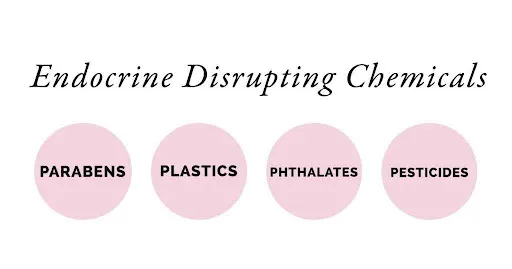
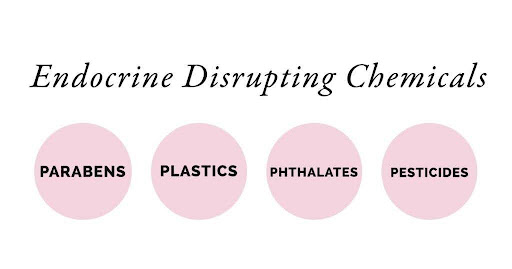
These harmful substances are called endocrine disruptors (or EDCs for short). They are chemicals that can interfere with your child’s hormones, which are essential for growth, puberty, metabolism, and brain development.
Let’s explore where these chemicals are found, how they can affect your child, and most importantly, what you can do to reduce their exposure.
What Are Endocrine Disruptors?
Endocrine disruptors are natural or man-made chemicals that mimic or block hormones in the body. In children, who are still growing and developing, these chemicals can:
- Disrupt the timing of puberty
- Affect brain development
- Increase the risk of obesity or diabetes
- Cause reproductive or hormonal issues later in life
Where Do These Chemicals Hide?
EDCs are found in many common household items and foods. Here are some key areas to watch out for:
1. Plastics
1. Plastics
Plastics can contain chemicals like BPA and phthalates that may leach into food and drinks, especially when plastic is heated or scratched. These can be found in:
- Water bottles, sippy cups
- Plastic food containers
- Baby toys and teething rings
2. Packaged and Processed Foods
Some packaging materials, like cans or plastic wrappers, contain BPA or PFAS. These chemicals can leak into food, especially when hot. They are often linked to obesity and early puberty in children.
3. Personal Care Products
Items like lotions, shampoos, or baby wipes may contain parabens or phthalates. These help preserve the products or add fragrance but can act like hormones in the body.
4. School Supplies and Toys
Plastic school supplies such as vinyl backpacks, lunch boxes, pencil cases, erasers, and some art materials may contain hormone-disrupting chemicals.
5. Pesticides and Cleaning Products
Residues from pesticides on fruits and vegetables, or chemicals used in home cleaning sprays, can also act as hormone disruptors.
Common Endocrine Disrupting Chemicals to Know
Chemical | Found In
BPA | Canned food, plastic bottles
Phthalates | Plastic toys, vinyl flooring, personal care products
Parabens | Lotions, shampoos, cosmetics
PFAS | Nonstick cookware, food wrappers, waterproof school items
Flame Retardants (PBDEs) | Furniture, mattresses, car seats
Pesticides | Fruits, vegetables
Mercury | Some fish (like shark, swordfish), broken thermometers
BPA | Canned food, plastic bottles
Phthalates | Plastic toys, vinyl flooring, personal care products
Parabens | Lotions, shampoos, cosmetics
PFAS | Nonstick cookware, food wrappers, waterproof school items
Flame Retardants (PBDEs) | Furniture, mattresses, car seats
Pesticides | Fruits, vegetables
Mercury | Some fish (like shark, swordfish), broken thermometers
How These Chemicals Affect Your Child’s Health
- Development and Growth: Can lead to early or delayed puberty
- Metabolism: Linked to obesity, type 2 diabetes
- Brain Function: May affect learning, behavior
- Reproductive Health: Can impact hormone levels, future fertility
- Cancer Risk: Some EDCs have been linked to certain types of cancer
Simple Ways to Reduce Your Child’s Exposure
You can’t avoid all EDCs, but small changes can make a big difference:
In the Kitchen
- Use glass or stainless steel containers instead of plastic
- Avoid microwaving food in plastic
- Wash fruits and vegetables well to remove pesticides
- Choose organic, fresh foods when possible
- Store dry foods, like nuts or grains, in glass jars
With Toys and School Supplies
- Look for PVC free and BPA free school items
- Choose simple, unscented products whenever possible
- Wash hands after using art supplies or playing with plastic toys
Personal Care
- Read labels – avoid products with “fragrance,” parabens, or phthalates
- Use natural or fragrance free lotions and soaps for kids
Food Habits
- Cut down on packaged and takeaway foods, especially greasy items in wrappers
- Limit processed meats and high fat animal products, which may accumulate EDCs
Summary
No need to panic. We can’t eliminate every chemical in the environment, but by making thoughtful choices in what we buy, cook, and use, we can protect our children’s growing bodies.
If you have concerns about your child’s development, growth, or hormonal health, speak with your pediatrician or a pediatric endocrinologist. Early action helps.