
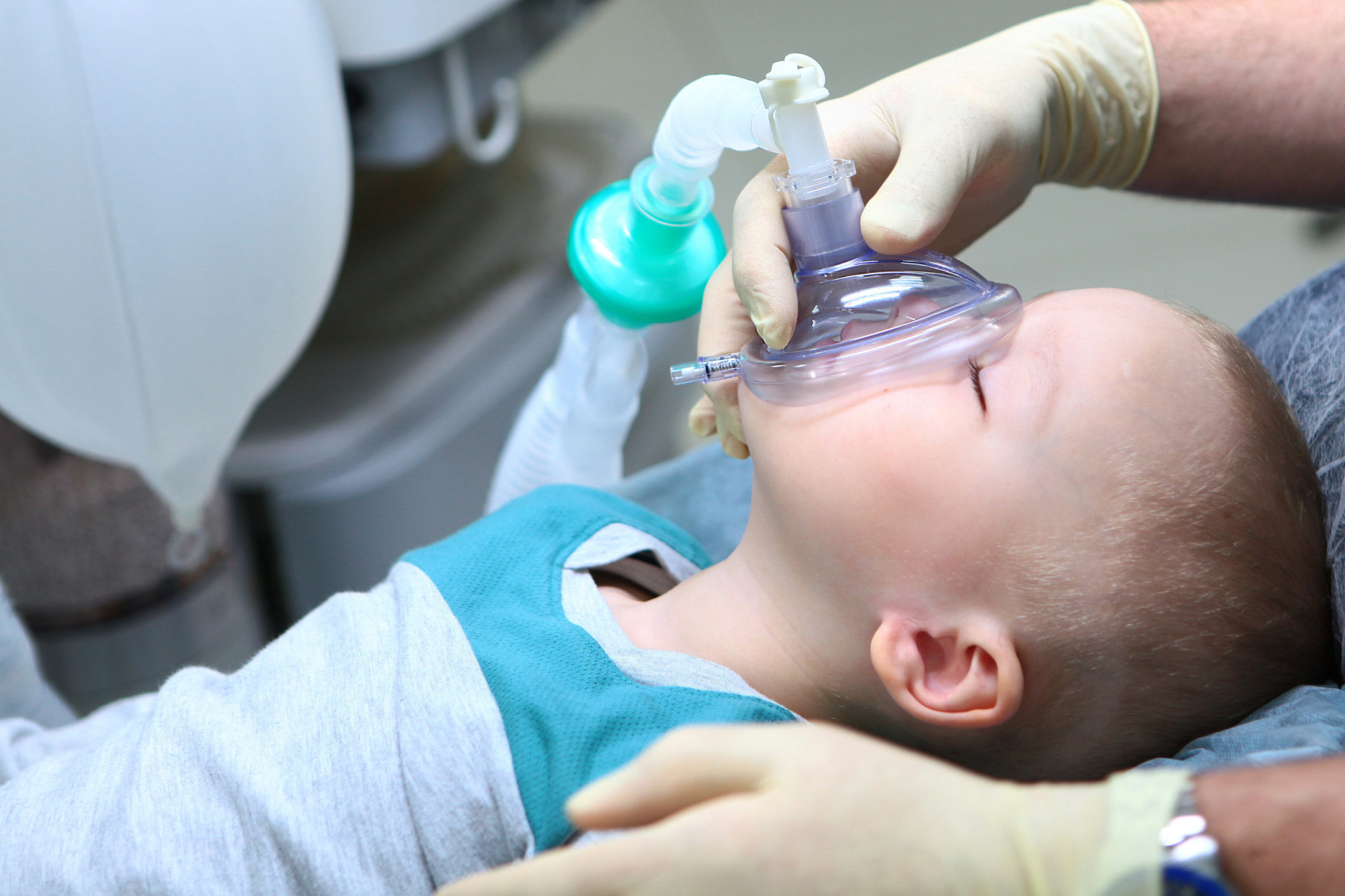
When your child needs surgery, one of the biggest concerns for parents is often not the procedure itself, but anaesthesia. Parents may often have questions regarding safety, side effects and overall effects of the anaesthesia on the child.
Modern pediatric anaesthesia is carefully planned and administered by trained professionals, with continuous monitoring throughout the procedure. Understanding how anaesthesia works and how your child is prepared can help parents approach surgery with greater confidence.
What Is Anaesthesia?
Anaesthesia is a medical process used to prevent pain and discomfort during a surgical or medical procedure.
Depending on the procedure and the child’s age and health, the anaesthesia team may use different techniques and dosage. General anaesthesia makes the child unconscious and unaware during the procedure to an extent where even the child`s respiration also has to be supported by machines, while other forms of anaesthesia may numb a particular area or provide sedation when appropriate.
The type of anaesthesia is selected based on the procedure, the area of surgery, the child's age, medical history and overall condition.
Is Anaesthesia Safe for Children?
When administered and closely monitored by an expert pediatric team, anesthesia is highly safe for children. Driven by advanced medical technology and specialized pediatric anesthesia practices, modern techniques allow for precise control and second-by-second monitoring. This dedicated care ensures that risks are kept extremely low, giving parents peace of mind during their child's procedure.
Before anaesthesia, the medical team evaluates the child’s health, medical history, allergies, previous experiences with anaesthesia and other relevant factors. During the procedure, the child’s vital signs are continuously monitored so that the anaesthesia team can respond promptly to any changes.
Before and during the surgery, both surgeon and anaesthetist takes every necessary precaution to ensure child`s safety and reduce the potential risk as much as possible. The individual risks can vary depending on the child's health, age, type of surgery and type of anaesthesia and are discussed in detail prior with the parents and caregivers.
What Happens Before Anaesthesia?
A pre- anaesthesia assessment is done before surgery.
The healthcare team may ask about:
* Previous surgeries or anaesthesia
* Allergies and medications
* Existing medical conditions
* Recent illness, cough, fever or breathing problems
* Previous reactions to anaesthesia
* Eating and drinking before surgery
It is important to provide the anaesthesia team with complete and accurate information about your child.
Why Does Fasting Matter Before Anaesthesia?
Fasting is the single most important step parents can take to ensure their child's safety during anesthesia. When a child is anesthetized, their body's natural reflexes temporarily relax. If the stomach isn't completely empty, food or liquid could travel up into the throat and enter the lungs, causing a serious complication known as aspiration. To prevent this, the surgical team will provide a specific timeline detailing exactly when a child must stop eating and drinking. Always follow these instructions precisely. Fasting windows are calculated based on the child’s age, the type of procedure, and the specific anesthesia plan to ensure safety.
Will My Child Feel Pain During Surgery?
Your child will sleep deeply and feel absolutely no pain or discomfort during the surgery. Modern anesthesia completely blocks all pain signals, ensuring children remain completely comfortable and safe throughout the entire procedure. Thanks to advanced, minimally invasive surgical techniques, tissue irritation is minimized, which naturally reduces post-operative pain and speeds up healing times. Once the child recovers from anaesthesia the team of experts take necessary steps for post-operative comfort. Tailored, child-friendly pain management plans based on child’s age and specific needs, ensure they stay comfortable as they recover. Medication and instructions provided by the healthcare team helps keep post-operative discomfort at its minimum.
In case the child appears uncomfortable, or develops any unusual symptoms after surgery an immediate consultation must be sought.
Are There Side Effects of Anaesthesia?
Some children may experience temporary effects after anaesthesia, such as nausea, vomiting, dizziness, drowsiness, sore throat or temporary changes in behaviour. However, most effects are short-lived. Parents can be rest assured that the anaesthesia team monitors the child during recovery and provides appropriate care if any concerns arise.
What Can Parents Do to Help?
Parents play an important role in preparing their child for surgery. Depending on the child’s age, you can:
* Explain the procedure in simple and reassuring language.
* Avoid frightening or exaggerated descriptions.
* Inform the medical team about your child’s complete medical history.
* Follow fasting and medication instructions carefully.
* Inform the healthcare team if your child develops fever, cough, cold or another illness before surgery.
* Ask questions if you are unsure about any part of the anaesthesia plan.
A Parent’s Most Important Question: Is My Child in Safe Hands?
When your child needs surgery, nothing matters more than knowing they are surrounded by a team of highly skilled, compassionate experts. While it is completely natural to feel anxious, pediatric anesthesia is a deeply specialized field designed entirely around the unique physical and emotional needs of children. At Ankura, a dedicated team of pediatric specialists carefully assesses, prepares, and monitors your child using the most advanced safety protocols available today. Every child is unique, which is why your medical team designs a personalized anesthesia plan tailored specifically to your child’s health profile and procedure. Before the surgery, you will have a dedicated opportunity to speak openly with the surgeon and anesthesia team. Asking questions is highly encouraged, the team is there to discuss all available options, address your concerns, and ensure that you feel completely confident, reassured, and supported every step of the way.
Takeaway for Parents
Anaesthesia is an important part of many pediatric surgeries. With appropriate pre-operative assessment, trained professionals, suitable monitoring and careful post-operative observation, anaesthesia can be administered safely to children in the appropriate clinical setting.
If your child has been advised surgery, speak with your pediatric surgeon and anaesthesia team about the planned procedure, anaesthesia technique, potential risks and recovery process.