Hormonal Imbalances in Women in Their 20s: Causes, Symptoms, and Treatment
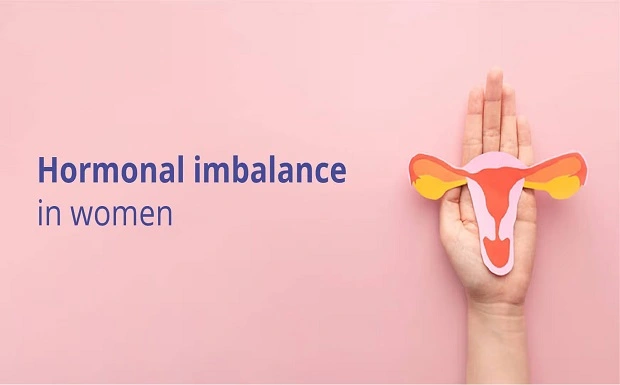
Hormones play a vital role in regulating many functions within a woman's body, including menstrual cycles, metabolism, mood, skin health, and fertility. However, an increasing number of women in their 20s are experiencing hormonal imbalances that can significantly impact their overall health and quality of life.
Modern lifestyles characterized by high stress levels, inadequate sleep, unhealthy eating habits, and reduced physical activity are contributing to this growing concern. Understanding the causes and symptoms of hormonal imbalance can help women seek timely medical care and make informed lifestyle choices.
What Is a Hormonal Imbalance?
Hormones are chemical messengers produced by various glands in the body. They travel through the bloodstream and regulate important bodily functions such as growth, reproduction, metabolism, and mood.
A hormonal imbalance occurs when there is too much or too little of a particular hormone. Even small changes in hormone levels can lead to noticeable symptoms and affect a woman's overall health.
Why Are More Women in Their 20s Experiencing Hormonal Imbalances?
Several factors contribute to hormonal disturbances in young women today.
Chronic Stress
Stress has become a common part of daily life for many young women balancing education, careers, and personal responsibilities. Prolonged stress increases the production of cortisol, commonly known as the stress hormone.
Elevated cortisol levels can interfere with reproductive hormones, leading to irregular periods, mood changes, weight gain, and fertility challenges.
Poor Sleep Habits
Sleep is essential for hormone regulation. Irregular sleep schedules, late-night screen exposure, and insufficient sleep can disrupt the body's natural hormone production.
Women who consistently get inadequate sleep may experience irregular menstrual cycles, increased cravings, fatigue, and hormonal fluctuations.
Unhealthy Dietary Habits
Frequent consumption of processed foods, sugary beverages, fast food, and refined carbohydrates can negatively affect insulin levels and hormone balance.
Nutritional deficiencies can also contribute to menstrual irregularities, fatigue, and poor reproductive health.
Sedentary Lifestyle
Physical inactivity can affect metabolism, insulin sensitivity, and weight management. Excess weight may lead to increased estrogen production, which can further disrupt hormonal balance.
Polycystic Ovary Syndrome (PMOS)
PMOS is one of the most common hormonal disorders affecting women of reproductive age. It is associated with irregular periods, excess androgen production, acne, weight gain, and fertility concerns.
Thyroid Disorders
The thyroid gland regulates metabolism and energy levels. Both underactive and overactive thyroid conditions can cause menstrual irregularities, weight changes, fatigue, and mood disturbances.
Common Symptoms of Hormonal Imbalance
Hormonal imbalances can present differently in every woman. Some of the most common symptoms include:
- Irregular menstrual cycles
- Missed periods
- Heavy or prolonged periods
- Acne and oily skin
- Unexplained weight gain
- Hair thinning or hair loss
- Excess facial or body hair growth
- Mood swings
- Anxiety and irritability
- Fatigue
- Sleep disturbances
- Reduced fertility
If these symptoms persist, it is important to consult a gynecologist for proper evaluation.
How Hormonal Imbalances Affect Menstrual Health
The menstrual cycle is highly dependent on a delicate balance of hormones. When hormone levels become disrupted, periods may become irregular, heavier than usual, lighter than normal, or completely absent.
Many women assume irregular periods are normal due to stress or lifestyle changes. However, persistent menstrual irregularities may indicate an underlying hormonal condition that requires medical attention.
Hormonal Imbalances and Skin Health
Hormonal fluctuations can directly impact the skin. Increased androgen levels often stimulate excess oil production, leading to acne breakouts, especially around the jawline and chin.
Many women in their 20s experience adult acne due to hormonal disturbances rather than poor skincare habits.
The Impact on Fertility
Hormonal health plays a crucial role in ovulation and reproductive function. Conditions such as PMOS, Quality of egg, thyroid disorders, and elevated stress hormones can interfere with ovulation and make conception more difficult.
Early diagnosis and treatment can significantly improve fertility outcomes and reproductive health.
How Are Hormonal Imbalances Diagnosed?
Diagnosis typically involves a detailed medical history, physical examination, and laboratory investigations.
A doctor may recommend:
- Assessment of menstrual history and symptoms
- Hormonal blood tests
- Thyroid function tests
- Blood sugar evaluation
- Ultrasound examination of the ovaries and uterus
Accurate diagnosis helps identify the underlying cause and determine the most appropriate treatment plan.
Treatment Options for Hormonal Imbalances
Treatment depends on the age, marital status, underlying medical condition, and individual symptoms.
Lifestyle Modifications
Healthy lifestyle changes are often the first step toward restoring hormonal balance.
These include:
- Maintaining a balanced diet
- Regular physical activity
- Adequate sleep
- Stress management techniques
- Maintaining a healthy body weight
Medical Treatment
Depending on the diagnosis, treatment may include:
- Hormonal medications
- Thyroid medications
- Treatment for PMOS
- Nutritional supplementation
- Fertility-related therapies when needed
A personalized treatment plan can help manage symptoms effectively and improve overall well-being.
Tips to Maintain Hormonal Health
Women can support healthy hormone function by:
- Eating nutrient-rich foods
- Exercising regularly
- Limiting processed foods and excess sugar
- Getting 7–8 hours of quality sleep
- Managing stress through relaxation techniques
- Scheduling regular health check-ups
Small lifestyle changes can have a significant impact on long-term hormonal health.
When Should You See a Gynecologist?
Consult a gynecologist if you experience:
- Irregular or missed periods
- Severe acne
- Unexplained weight changes
- Excess facial or body hair growth
- Difficulty conceiving
- Persistent fatigue
- Significant mood changes
Early intervention can help identify underlying conditions before they affect overall health and fertility.
Conclusion
Hormonal imbalances are becoming increasingly common among women in their 20s due to modern lifestyle factors such as stress, poor sleep, unhealthy eating habits, and lack of physical activity. While symptoms such as irregular periods, acne, weight gain, and mood swings are often overlooked, they may indicate an underlying hormonal disorder.
Recognizing the signs early and seeking professional medical guidance can help women maintain optimal reproductive health, improve their quality of life, and protect their future fertility.