
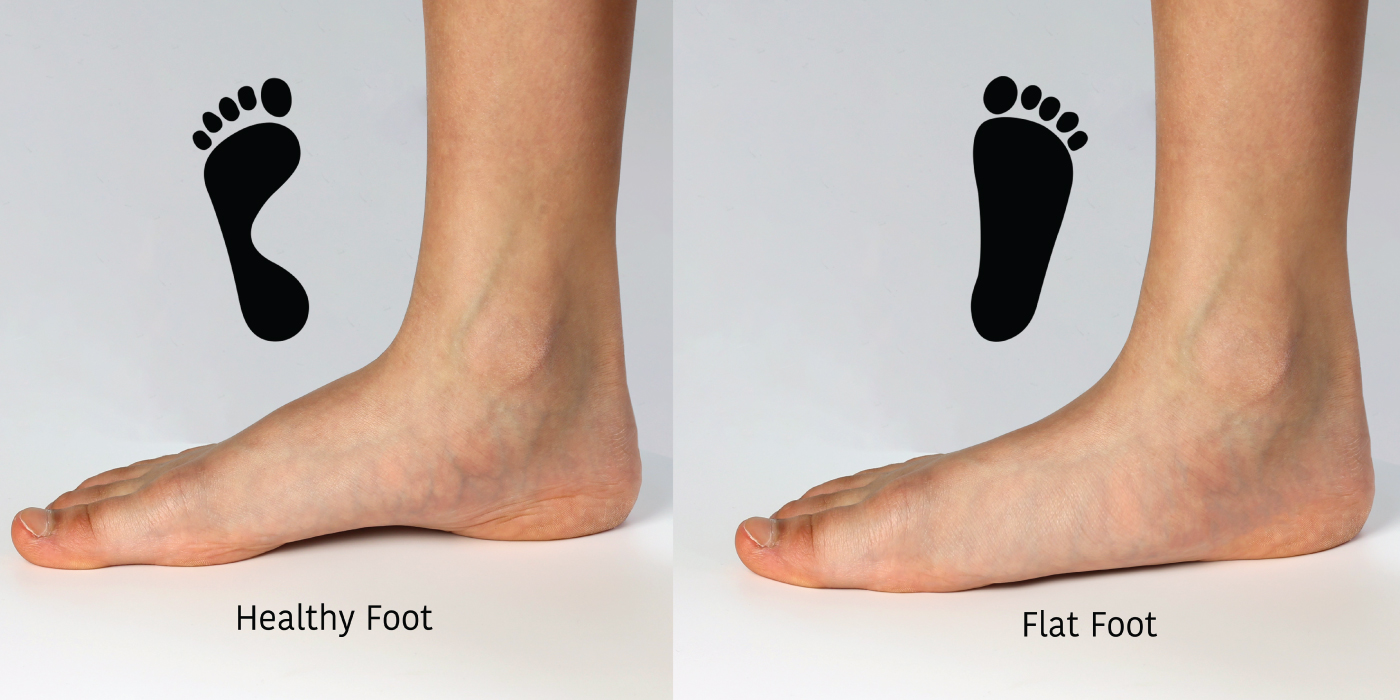
Flat feet are normal in almost all babies and toddlers, and most children develop a visible arch on their own between ages 3 and 6. Flat feet only need attention from pediatric orthopedic doctors when they come with pain, stiffness, or difficulty walking, running, or keeping up with other kids.
If you've looked down at your toddler's feet and noticed there's no arch at all, you're not alone. Every baby is born with flat feet, and most children keep them well into their early school years. For most parents searching for pediatric orthopedic doctors online at midnight, the reassuring truth is that flat feet rarely need treatment. But sometimes they signal something that needs a closer look. Here's how to tell the difference.
What Causes Flat Feet in Children?
Babies are born with a layer of baby fat in their feet and naturally loose, flexible ligaments. This makes the sole look completely flat when they stand, even though the bones underneath are developing normally. As muscles strengthen and ligaments tighten with walking and running, an arch usually appears on its own, with no exercises, shoes, or inserts required. Flat feet also tend to run in families, so genetics play a role too.
Is It Normal for a Child to Have Flat Feet?
Yes. Flat feet are a normal, temporary stage of foot development for nearly all young children. Doctors only consider them a concern when specific warning signs appear alongside them, not because of how the foot looks.
You can generally relax if your child:
- Has no complaints of foot, ankle, or leg pain
- Runs, jumps, and plays without limping or tiring quickly
- Shows an arch when standing on tiptoe, even if it flattens under weight
- Has flat feet that seem to run in the family
Flexible Flat Feet vs Rigid Flat Feet: What's the Difference?
The type of flat foot your child has determines whether it's harmless or worth investigating. Flexible flat feet show an arch when the foot is lifted or the child stands on their toes, but flatten again under weight; this type is almost always painless and self-resolving. Rigid flat feet stay flat in every position, including on tiptoe, and are more likely to be linked to a bone or joint issue that needs evaluation.
When Should You See a Doctor for Your Child's Flat Feet?
See a doctor if your child's flat feet come with pain, stiffness, or changes in how they walk or play. Appearance alone is rarely a reason to worry. Book a visit with pediatric orthopedic doctors if your child has:
- Ongoing pain in the foot, ankle, arch, or heel, especially after activity
- Frequent tripping or clumsiness that seems unusual for their age
- Stiffness, where the foot stays flat even when they stand on their toes
- Visible inward rolling of the ankle, or shoes that wear out unevenly
- Difficulty keeping up with friends during play or sports
- An arch that had already formed but then disappeared again
- Flat feet that persist well past age 8 to 10 with no sign of an arch
If any of these sound familiar, searching for a “pediatric orthopedic near me” is a reasonable next step rather than something to put off.
How Do Doctors Diagnose Flat Feet in Kids?
Diagnosis usually starts with a simple physical exam rather than imaging. A specialist watches your child stand, walk, and run, and checks their everyday shoes for wear patterns. If pain or stiffness is present, doctors may order X-rays to check bone structure, and in more complex cases, a CT or MRI scan to rule out tendon or joint problems. Most evaluations are completed in a single visit.
How Are Flat Feet in Children Treated?
Most children with flat feet never need treatment. When symptoms are present, care usually starts conservatively with:
- Supportive, well-fitted footwear
- Custom or over-the-counter arch supports
- Stretching exercises, particularly for tight Achilles tendons
- Physical therapy to strengthen foot and ankle muscles
- Rest and reduced high-impact activity during flare-ups
Surgery is rarely necessary and is generally reserved for rigid flat feet linked to a structural problem that doesn't respond to conservative care.
Schedule a Consultation with Experts at Ankura Hospitals Today
Most flat feet sort themselves out as your child grows. But pain, stiffness, or a foot that isn't developing the way it should is not something to wait out. At Ankura Hospitals, our pediatric orthopedic team is led by MS Orthopedics and POSI-accredited, fellowship-trained surgeons with over 10 years of specialized experience, backed by a consistently high success rate across corrective procedures. We use advanced diagnostic tools like digital X-rays, ultrasound, and MRI, all within a child-friendly setting designed to put young patients at ease. Whether your child needs a simple check-up or ongoing care, our specialists work closely with parents at every step.
If you've been searching for the best pediatric orthopedic doctor for your child's foot concerns, book a consultation with Ankura Hospitals today and get the clarity you and your child deserve.