
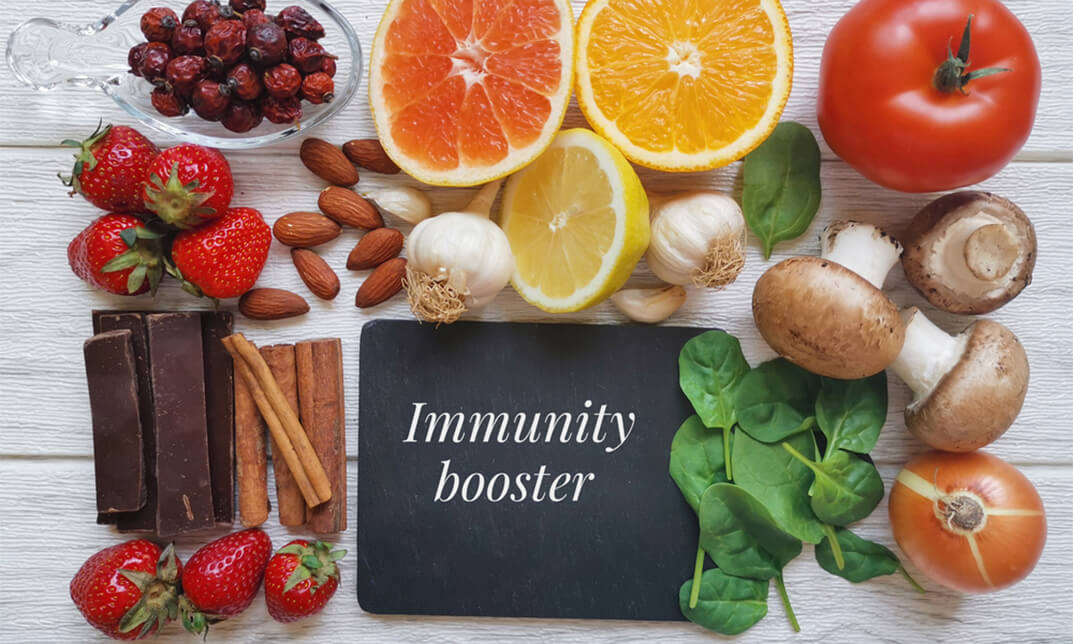
Does your child really need an immunity-boosting syrup, gummy or drink to stay healthy?
Walk into any pharmacy or supermarket and you will find plenty of products promising to “boost immunity.” As a parent, it is natural to wonder whether one of these products could help your child fall sick less often, especially during school months when colds, coughs and infections seem to keep coming back.
But your child’s immune system does not work like a switch that can simply be turned “up” with a supplement.
For healthy, well-nourished children, immunity develops through a complex combination of nutrition, sleep, vaccination, normal exposure to microbes and the developing gut microbiome.
The gut microbiome is the community of microorganisms—including bacteria—that live in the digestive tract. From infancy, these microorganisms interact with the developing immune system and play an important role in immune development and regulation. Human milk oligosaccharides (HMOs) in breast milk, for example, help support beneficial bacteria such as Bifidobacterium in the infant gut.
So, instead of asking, “Which immunity booster should I buy?”, a more useful question is:
“What everyday habits help support my child’s immune system and gut health?”
What Is the Connection Between the Gut and a Child’s Immune System?
The gut and the immune system are closely connected.
The digestive tract is one of the body's major interfaces with the outside environment. Food, microorganisms and other substances constantly pass through it, while immune cells and the gut microbiome interact with each other.
A child’s gut bacteria begin developing from early life. These microorganisms can influence immune development and help maintain balance within the gut.
This does not mean that a child with a less diverse microbiome automatically has a “weak immune system.” The relationship is much more complex.
Research suggests that the gut microbiome interacts with the developing immune system and may influence immune regulation, inflammation and susceptibility to certain conditions.
Good gut health also supports digestion and nutrient utilisation, which are important parts of overall health.
How Does a Child’s Gut Microbiome Develop?
A child's microbiome changes rapidly during the early years of life. Several factors can influence how it develops.
1. Breast Milk Supports Beneficial Gut Bacteria
Breast milk provides much more than nutrition.
It contains human milk oligosaccharides (HMOs)—complex carbohydrates that infants cannot fully digest themselves. Instead, they act as substrates for certain beneficial gut bacteria, particularly Bifidobacterium species.
Research shows that HMOs can help shape the infant gut microbiome and interact with immune development.
The WHO and UNICEF recommend exclusive breastfeeding for the first six months of life, followed by the introduction of appropriate complementary foods while breastfeeding continues.
2. The First Few Years Are Important
The gut microbiome changes significantly during infancy and early childhood as children transition from milk to a wider variety of foods and experience different environmental exposures.
This is one reason early-life nutrition matters.
From around six months, children need complementary foods in addition to breast milk or formula. WHO guidance recommends gradually introducing a variety of safe and nutritious foods as children grow.
3. Antibiotics Can Change the Gut Microbiome
Antibiotics are sometimes necessary and can be important in treating bacterial infections.
However, antibiotics can also alter the composition and diversity of gut bacteria temporarily.
This does not mean parents should avoid antibiotics when they are medically necessary. Instead, antibiotics should be used when prescribed by a doctor and for the condition for which they are recommended.
After an antibiotic course, returning to a varied, balanced diet can support overall gut health.
4. Variety Matters More Than a Single “Superfood”
There is no single food that can build a child’s gut microbiome overnight.
A varied diet containing different fruits, vegetables, legumes and whole grains provides different types of dietary fibre and nutrients.
As children grow, offering a variety of nutritious foods can help establish healthy eating patterns. WHO specifically emphasises increasing food variety during complementary feeding.
What Actually Supports a Child’s Immunity?
Rather than focusing on one “immunity-boosting” product, focus on the basics.
Breastfeeding When Possible
Exclusive breastfeeding for the first six months is recommended by WHO and UNICEF, followed by appropriate complementary foods while breastfeeding continues.
Offer a Varied Diet
Include a range of:
- Vegetables
- Fruits
- Legumes and pulses
- Whole grains
- Other nutritious foods appropriate for your child's age
Variety is more important than relying on one particular “superfood.”
Use Antibiotics Responsibly
Antibiotics should be used when medically indicated and prescribed by a healthcare professional.
They should not be used simply because a child has a common viral cold or infection where antibiotics are not required.
Encourage Normal Outdoor Play
Children do not need to grow up in a completely sterile environment.
Age-appropriate outdoor play and normal everyday environmental exposure are part of childhood. Good hygiene remains important, but excessive attempts to eliminate every microorganism are not necessary.
Prioritise Adequate Sleep
Sleep is an important part of a child's overall health and recovery.
Make sure your child follows an age-appropriate sleep routine and gets adequate rest.
Keep Vaccinations Up to Date
Vaccination is one of the most effective ways to protect children against serious infectious diseases.
Vaccines train the immune system to recognise specific infections safely and help reduce the risk of severe disease.
Follow the immunisation schedule recommended by your paediatrician.
What About Probiotics, Fermented Foods and “Immunity Boosters”?
This is where parents often receive conflicting information.
Do Children Need Probiotics?
Not every child needs a probiotic supplement.
Probiotics contain specific live microorganisms, and their effects can depend on the strain, dose, duration and the child's individual condition.
If your paediatrician recommends a probiotic, ask which specific strain is being recommended and why.
What About Yoghurt and Buttermilk?
Fermented foods such as yoghurt and buttermilk can be part of a healthy diet when they are appropriate for the child's age and dietary needs.
However, eating one fermented food does not automatically “boost” immunity.
What About Immunity-Boosting Gummies, Juices and Syrups?
The words “immunity booster” on a label do not automatically mean that a product has been proven to prevent infections in healthy children.
Supplements may have a role when a child has a diagnosed nutritional deficiency or a specific medical indication. They should not be considered a replacement for a balanced diet, adequate sleep, vaccination and appropriate medical care.
What Does NOT Build Immunity?
It is equally important to understand what the evidence does not support.
- Relying on one “superfood” to strengthen immunity
- Giving multivitamins to every healthy child without a nutritional indication
- Assuming that an occasional immunity drink or gummy will change the gut microbiome significantly
- Giving antibiotics unnecessarily
- Keeping children in an artificially sterile environment
- Starting probiotics or supplements without understanding whether they are actually needed
A Simple Gut-Health Checklist for Parents
Instead of looking for a quick immunity fix, focus on these everyday habits:
✔ Offer variety: Introduce different nutritious foods appropriate for your child's age.
✔ Choose fibre-rich foods: Include vegetables, fruits, legumes and whole grains where appropriate.
✔ Follow breastfeeding recommendations: Exclusive breastfeeding is recommended for the first six months when possible, followed by appropriate complementary feeding.
✔ Use antibiotics only when needed: Give them exactly as prescribed by your doctor.
✔ Encourage active play: Allow children to play outdoors safely and explore their environment.
✔ Prioritise sleep: Adequate sleep is an important part of overall health.
✔ Stay up to date with vaccinations: Follow the recommended immunisation schedule.
✔ Be cautious with supplements: Speak to your paediatrician before adding supplements or probiotics to your child's routine.
Does Frequent Illness Mean My Child Has Low Immunity?
Not necessarily.
Children can experience several episodes of colds and other infections as they are exposed to new viruses and bacteria, particularly when they start daycare or school.
Frequent infections alone do not automatically mean that a child has an immune disorder.
However, some patterns of recurrent or unusually severe infections may require further evaluation. A child who has repeated serious infections, poor recovery, poor growth, persistent or unusual infections, or requires frequent courses of antibiotics may need to be assessed by a paediatrician.
If you are concerned about the frequency, severity or pattern of your child's infections, discuss it with your paediatrician rather than assuming that an “immunity booster” is the answer.
The Real Takeaway: There Is No One-Product Immunity Solution
A child's immune system develops gradually. There is no single syrup, gummy, juice or food that can replace the everyday foundations of good health.
What matters most is a consistent approach:
A varied and nutritious diet + appropriate breastfeeding and complementary feeding + adequate sleep + vaccination + sensible antibiotic use + healthy everyday activity and exposure.
The goal is not to keep your child completely free from every infection. Occasional infections are a normal part of childhood.
The goal is to give your child's developing immune system the nutrition, protection and healthy environment it needs—and to recognise when an illness pattern needs medical attention.
If you are unsure whether your child needs a vitamin, probiotic or other supplement, speak to your paediatrician before starting it.