
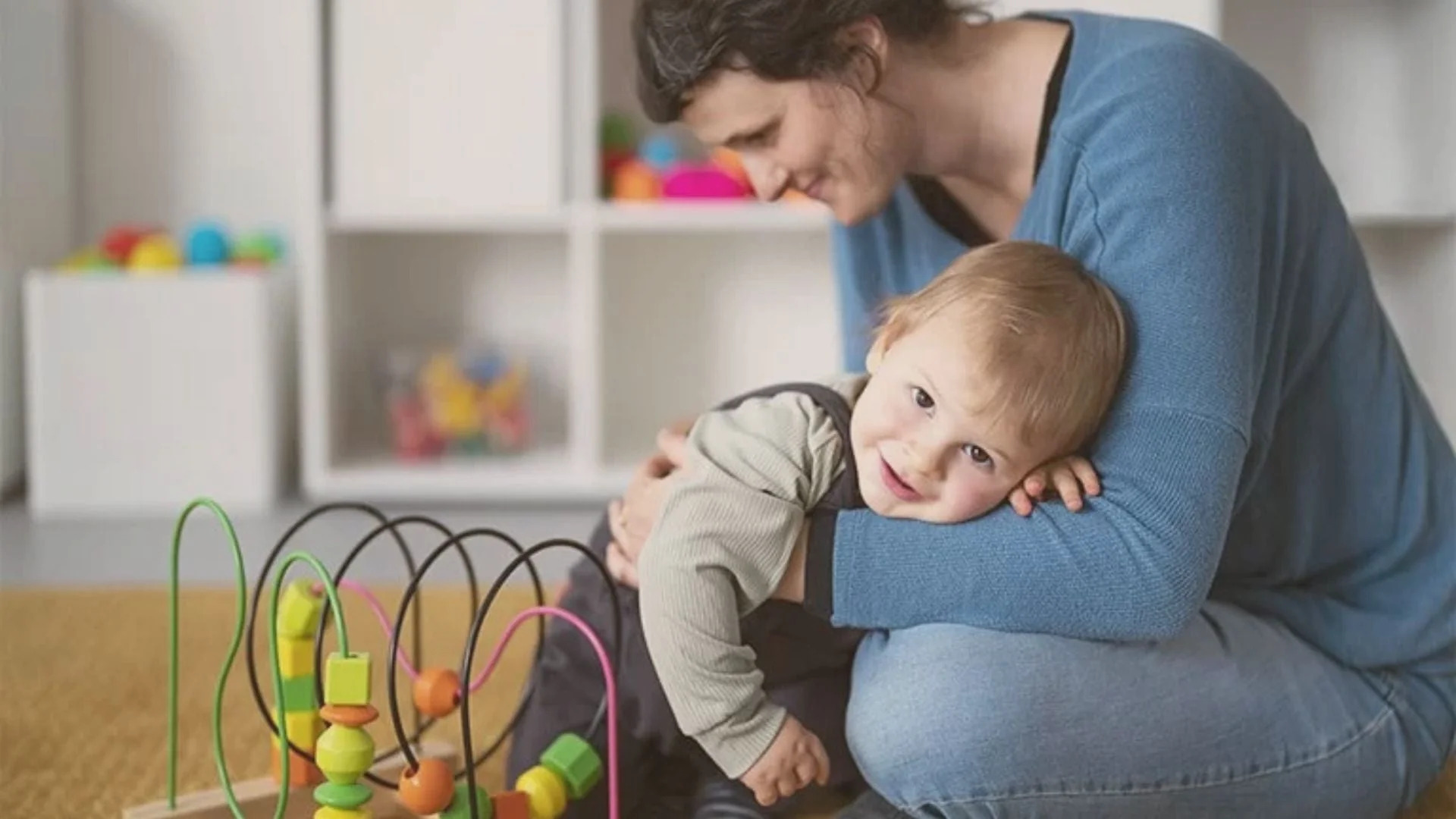
Each child progresses at their own pace. Some children walk, talk, or learn new skills earlier, while others may take a little longer. However, when a child consistently falls behind expected developmental milestones, it is important to understand why. Developmental delays can affect speech, movement, learning, social interaction, behavior, or several areas at the same time.
Parents are often the first to notice changes in their child's development. Recognizing possible warning signs and discussing them with a pediatrician or pediatric neurologist can help identify concerns early. Early assessment does not always mean that a child has a neurological disorder. It simply provides an opportunity to understand the child's needs and start appropriate support when required.
This guide explains common signs of developmental delay, when to seek specialist advice, and how pediatric neurological evaluation can support a child's development.
What Is Developmental Delay?
Developmental delay occurs when a child does not reach certain expected developmental milestones within the usual age range. Development generally includes several areas:
- Gross motor skills, such as sitting, standing, and walking
- Fine motor skills, such as grasping and drawing
- Speech and language
- Cognitive skills, including learning and problem-solving
- Social and emotional development
- Adaptive skills, such as feeding and dressing independently
A delay in one area does not necessarily indicate a serious problem. Some children may catch up naturally, while others may benefit from therapy or medical support.
Common Signs of Developmental Delay
1. Delayed Motor Skills
Motor development involves learning how to control the body and coordinate movements.
Possible warning signs include:
- Difficulty holding the head steady
- Delayed sitting
- Difficulty crawling
- Delayed walking
- Frequent falls
- Unusual stiffness or floppiness
- Difficulty using one side of the body
- Poor coordination
If a child loses a motor skill they had previously developed, parents should seek medical advice promptly.
2. Speech and Language Delays
Children develop communication skills at different rates, but significant delays can sometimes require evaluation.
Parents may notice:
- Limited babbling during infancy
- Not responding to sounds or voices
- Difficulty understanding simple instructions
- Very limited vocabulary
- Difficulty forming age-appropriate sentences
- Loss of previously acquired language skills
Hearing problems, developmental conditions, neurological disorders, and other factors can contribute to speech and language delays. A healthcare professional can help determine whether further assessment is needed.
3. Difficulty With Social Interaction
Some children may have difficulty engaging with others or responding to social cues.
Signs can include:
- Limited eye contact
- Difficulty responding to their name
- Limited interest in interactive play
- Difficulty copying actions
- Challenges with age-appropriate social communication
These signs can have different causes and should be assessed in the context of the child's overall development.
4. Delayed Cognitive or Learning Skills
Cognitive development involves learning, memory, attention, and problem-solving.
Possible signs include:
- Difficulty following age-appropriate instructions
- Difficulty learning new skills
- Problems remembering familiar information
- Difficulty completing simple tasks
- Limited problem-solving abilities
A developmental assessment can help identify the child's strengths and areas where additional support may be useful.
5. Behavioral Changes
Behavior can sometimes provide clues about developmental or neurological concerns.
Parents may notice:
- Extreme difficulty with attention
- Frequent unexplained outbursts
- Significant changes in behavior
- Difficulty adapting to routines
- Repetitive behaviors
- Unusual responses to sounds, textures, or movement
Behavioral symptoms should be evaluated alongside communication, social, cognitive, and motor development.
When Should Parents Consult a Pediatric Neurologist?
Parents should consider discussing developmental concerns with their pediatrician when a child consistently misses important milestones or loses skills they had already acquired.
A pediatric neurologist may be recommended when there are concerns involving:
- Developmental regression
- Seizures
- Abnormal muscle tone
- Persistent weakness
- Movement disorders
- Coordination problems
- Significant developmental delay
- Recurrent unusual episodes
- Neurological symptoms associated with developmental concerns
A specialist can perform a detailed neurological and developmental assessment and recommend further investigations when appropriate.
Why Early Evaluation Matters
Early assessment can help identify developmental concerns and determine what type of support a child may need. Depending on the findings, the care team may recommend:
- Speech therapy
- Occupational therapy
- Physiotherapy
- Behavioral support
- Developmental therapy
- Nutritional guidance
- Medical treatment
- Regular developmental monitoring
Early intervention can help children build important skills and support their participation at home, school, and in social settings.
Ankura Hospital: Specialized Pediatric Neurology and Developmental Care
At Ankura Hospital, our pediatric healthcare team is committed to supporting children through every stage of development. Families seeking a best paediatric neurologist in Vijayawada can access specialized pediatric neurological evaluation supported by modern infrastructure and a multidisciplinary approach.
Our team evaluates developmental concerns, movement difficulties, seizures, neurological symptoms, and other conditions affecting children's health. Depending on each child's needs, care may involve neurological assessment, diagnostic investigations, developmental support, therapy, and regular follow-up.
At Ankura Hospital, we understand that every child develops differently. Our approach focuses on identifying concerns early, understanding each child's individual strengths and needs, and helping families make informed decisions about their child's care. With specialized expertise and comprehensive pediatric services, we aim to support healthier development and a better quality of life for every child.