
Chronic Constipation in Children: Causes, Signs, Symptoms, Treatment and Home Remedies
Regular bowel movements are a norm, however, there may be instances when children do not pass stools regularly, leading to a condition called constipation! Constipation refers to infrequent, difficult, or painful bowel movements, often accompanied by hard, dry stools. While everyone experiences occasional constipation, when it becomes persistent or chronic—especially in children—it can be both distressing and disruptive to daily life.
Regular bowel movements are a norm, however, there may be instances when children do not pass stools regularly, leading to a condition called constipation! Constipation refers to infrequent, difficult, or painful bowel movements, often accompanied by hard, dry stools. While everyone experiences occasional constipation, when it becomes persistent or chronic—especially in children—it can be both distressing and disruptive to daily life.
What is Chronic constipation?
Chronic constipation is defined as a condition where a child pass less frequent stools over several weeks or experiences painful stools and/or straining regularly. In children, constipation is one of the most common gastrointestinal complaints. It can affect babies, toddlers, and older children alike. Recognizing the signs early and understanding the root causes can help parents manage the condition more effectively and ensure their child remains comfortable and healthy. A pediatric gastroenterologist is a specialist of children’s gastrointestinal tract, who can help best in diagnosing and treating the condition of chronic constipation in children.
Chronic constipation is defined as a condition where a child pass less frequent stools over several weeks or experiences painful stools and/or straining regularly. In children, constipation is one of the most common gastrointestinal complaints. It can affect babies, toddlers, and older children alike. Recognizing the signs early and understanding the root causes can help parents manage the condition more effectively and ensure their child remains comfortable and healthy. A pediatric gastroenterologist is a specialist of children’s gastrointestinal tract, who can help best in diagnosing and treating the condition of chronic constipation in children.
Signs and Symptoms of Constipation in Children
Children may not always express discomfort clearly, so parents need to look out for signs of constipation. These include:
Children may not always express discomfort clearly, so parents need to look out for signs of constipation. These include:
- Not passing soft stools every day
- Straining or pain while passing stool
- Hard, dry, or pellet-like stools
- Abdominal pain or bloating
- Soiling (leakage of stool in underwear)
- Avoidance of bathroom visits
- Irritability or behavioral changes
- Blood in stools
- Passing stool in standing position
hronic constipation in children
What can cause chronic constipation in children?
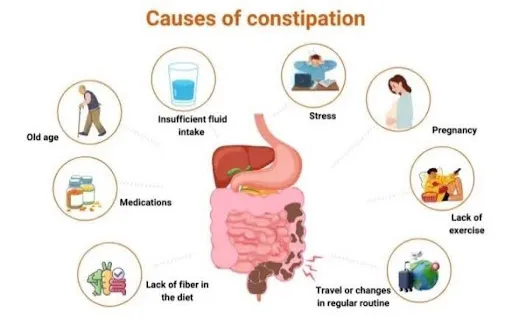
Several factors can lead to chronic constipation in kids. In many cases, more than one factor acts together. The causes of constipation can be:
Several factors can lead to chronic constipation in kids. In many cases, more than one factor acts together. The causes of constipation can be:
- Dietary Habits
One of the leading causes of constipation is a diet low in fiber and fluids. Children who consume excessively processed foods, dairy, or sugary snacks and insufficient fruits, vegetables, and whole grains are more prone to developing hard stools. Indian food was typically rich in fibre and protein but now with increasing westernization, foods rich in carbohydrates and fats are being excessively consumed by children. This has led to a rise in constipation cases in Indian children. In the case of younger children (6 months-2 years), parents should ensure to offer their children with adequate amount of solid food and not rely on just milk. Inadequate solid food and excessive milk (any form) can lead to constipation in younger children. - Withholding Stool
Some children may deliberately avoid going to the toilet due to previous painful experiences, over indulgence in screen, lack of privacy at school, or fear of using public restrooms. Withholding stool causes it to remain in the colon, where it becomes harder and more difficult to pass. Parents should ensure their child sits on the pot regularly every day, and not wait for the child’s urge to pass stool. They should also coordinate with the school staff (especially for preschoolers) to make sure the child does not avoid using the toilet at school in case of need. - Changes in Routine
Constipation may arise during changes in a child’s daily routine, such as starting school, traveling, or moving to a new home. These transitions can disrupt normal bowel patterns. The best way to prevent constipation from occurring in such a case is to make a routine. - Toilet Training Issues
During toilet training, some children may feel pressured or stressed, leading to resistance and stool withholding. This often happens if the child is not developmentally ready for toilet training. Parents should ensure that toilet training starts at the right time and is continued gently till the time the child is toilet trained. The child should not be shamed for not being able to pass stool in the toilet or passing stool publicly, etc. Parents should stay patient and help their child get toilet trained with confidence. - Lack of Physical Activity
Children with sedentary lifestyles are more likely to develop constipation. Regular movement helps stimulate intestinal function and promote regular bowel movements. Modern lifestyle of food rich in fats and carbohydrates, and a sedentary lifestyle with addiction to screens and less outdoor play is harmful to overall health and also leads to constipation. - Inadequate Fluid Intake
Dehydration can lead to harder stools that are more difficult to pass. If children do not drink enough water during the day, especially despite being active then it can lead to constipation. Parents should encourage children to always carry a water bottle when playing or visiting outdoors. - Medical Conditions
Though less commonly, chronic constipation can also be a symptom of an underlying medical issue. These conditions include Hypothyroidism, Celiac disease, Hirschsprung’s disease, Neurological conditions, Food allergies or intolerances, etc. A pediatric gastroenterologist can help in finding the right cause for chronic constipation in your child. How is Chronic Constipation Diagnosed? Diagnosis for chronic constipation typically begins with a detailed medical history and physical examination. You may be asked about your child in detail when you first visit a pediatric gastroenterologist. Some questions can include:
- Frequency and consistency of stools in the child
- Dietary habits
- Toilet training (if it is ongoing, if you stopped it, challenges, etc)
- Family history of gastrointestinal issues
- Mental health and stress in older children
- If you ever noticed blood in stools
- Symptoms other than constipation in the child
In some cases, additional tests may also be recommended for your child. These can include: -Abdominal X-ray -Blood tests (to rule out associated medical problems) -Anorectal manometry -Barium enema or other imaging -Colonic transit study
Treatment Options for Chronic Constipation
The primary goal in treating constipation is to ensure regular, soft bowel movements and prevent recurrence. Treatment is often a multi-step process involving dietary changes, behavioral adjustments, and sometimes medications.
The primary goal in treating constipation is to ensure regular, soft bowel movements and prevent recurrence. Treatment is often a multi-step process involving dietary changes, behavioral adjustments, and sometimes medications.
- Dietary Changes
Increase Fiber Intake: Children can be required to consume age-appropriate amounts of dietary fiber daily. Good sources of fibre include whole grains, fruits, vegetables, and legumes. Sugary and processed foods should be restricted. Hydration: Encourage regular intake of water. Limiting sugary drinks and avoiding excessive milk can also help. - Toilet Routine
Encourage your child to sit on the toilet for 5–10 minutes after meals (especially breakfast), when the gastrocolic reflex is strongest. Since most people have Western toilets at home, using a footstool to help children sit in a squat-like position is recommended. This position makes bowel movements easier. Children should be offered praise or small rewards for using the toilet, punishments and shaming children if they are not able to use the toilet should not be done. - Medications
When lifestyle changes are insufficient, pediatricians may recommend specific medications like laxatives and stool softeners. Suppositories or Enemas may also be prescribed in severe cases. However, any such medication is strictly to be used under the supervision of a healthcare provider and should never be self-administered.
Home Remedies for Constipation in Children
In addition to medical management, several home remedies can help relieve constipation:
- Prunes and Pear Juice
Prunes, and to a lesser extent, pear juice, are natural laxatives. Prune puree can be mixed with applesauce or cereal for toddlers. - Warm Baths
A warm bath can relax abdominal muscles and may help stimulate bowel movement, especially in infants. - Massage
A gentle clockwise massage on the child’s tummy may relieve gas and promote intestinal movement. - Encourage Physical Activity
Simple activities like walking, dancing, or playing outdoors can stimulate digestion and reduce constipation. Apart from the above a good lifestyle and healthy habits can prevent the problem of chronic constipation in children.
Prevention of Chronic Constipation
Prevention of constipation is easier than treating it. Here are some tips for parents to prevent constipation:
- Offer balanced, fiber-rich meals to your child
- Avoid excessive processed or junk food
- Encourage physical play every day
- Make toilet time part of the daily routine
- Adequate water intake
- Respond promptly to early signs of discomfort or avoidance
Despite all measures if a parent notices any signs of constipation in children, they should consult an expert. Early intervention can prevent complications like anal fissures, stool withholding, or encopresis (involuntary stool leakage due to impacted stool).
Psychological Impact and Support
Chronic constipation can affect a child’s emotional well-being. It may lead to embarrassment, low self-esteem, or anxiety around toilet use. Parental patience and support are essential. Avoid punishment and instead use positive reinforcement to encourage healthy habits Chronic constipation in children is common but manageable. With the right combination of dietary modifications, lifestyle changes, medical support, and emotional reassurance, most children recover and develop healthy bowel habits. Timely intervention is key to avoiding long-term complications and ensuring your child’s comfort and confidence. If you’re ever in doubt, don’t hesitate to consult your pediatrician or pediatric gastroenterologist. Every child is different, and with the right guidance, you can help your little one find relief and stay on a path toward better digestive health.