Hernias are among the most common surgical conditions seen in children. While many parents may notice a swelling or bulge in their child's groin or abdomen, they often assume it will disappear on its own. However, some hernias require timely surgical treatment to prevent complications and ensure healthy growth and development.
Understanding the signs, causes, and treatment options for childhood hernias can help parents seek medical attention at the right time and ensure the best outcomes for their children.
What Is a Hernia?
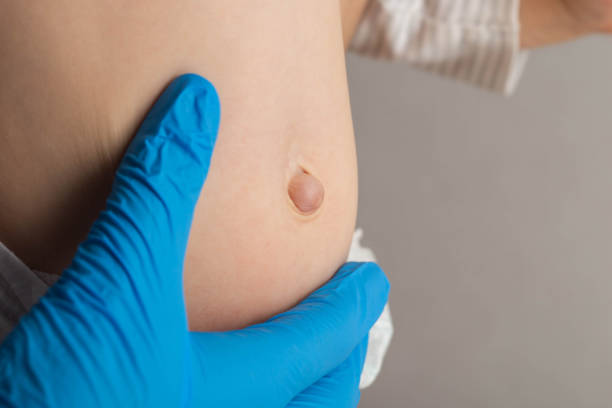
A hernia occurs when an organ or tissue pushes through an existing tract congenitally or through a weak area in the muscle or surrounding tissue wall. In children, hernias commonly occur in the groin area (inguinal hernia) or around the belly button (umbilical hernia).
What Causes Hernias in Children?
Several factors may contribute to the development of hernias in children, including:
- Incomplete closure of abdominal structures before birth
- Premature birth
- Low birth weight
- Family history of hernias
- Certain connective tissue disorders
- Increased pressure inside the abdomen
Although hernias are often present from birth, they may become more noticeable when a child cries, coughs, strains, or engages in physical activity.
Signs and Symptoms of Hernias in Children
Parents should be aware of the following signs:
Visible Swelling or Bulge
A lump or swelling may appear in the groin, scrotum, or around the belly button. The swelling often becomes more prominent when the child cries or strains.
Swelling That Comes and Goes
The bulge may disappear when the child is relaxed or lying down and reappear during activity.
Pain or Discomfort
Older children may complain of pain, heaviness, or discomfort in the affected area.
Irritability in Infants
Babies may become unusually fussy or cry excessively if the hernia causes discomfort.
When Is a Hernia a Medical Emergency?
In some cases, the hernia may become trapped, preventing the tissue from moving back into the abdomen. This condition is known as an incarcerated hernia and requires urgent medical attention.
Seek immediate medical care if your child experiences:
- Severe pain
- Persistent crying
- Vomiting
- Redness or discoloration over the swelling
- A hard or tender lump
- Refusal to feed
- Abdominal distension
Prompt treatment is essential to prevent complications and protect the blood supply to the affected tissue.
How Are Hernias Diagnosed?
Most pediatric hernias can be diagnosed through a detailed physical examination performed by a pediatric surgeon.
The doctor may evaluate:
- The location and size of the swelling
- Whether the hernia can be gently pushed back
- Associated symptoms
- Signs of complications
In certain situations, an ultrasound examination may be recommended to confirm the diagnosis and assess the surrounding structures.
Does Every Hernia Require Surgery?
Treatment depends on the type of hernia and the child's age.
Inguinal Hernias
Inguinal hernias do not heal on their own and typically require surgical repair. Early surgery helps prevent complications such as incarceration and strangulation.
Umbilical Hernias
Many umbilical hernias close naturally during early childhood. However, surgery may be recommended if:
- The hernia persists beyond 4–5 years of age
- The defect is large
- Symptoms develop
- Complications occur
A pediatric surgeon can determine the most appropriate treatment approach based on the child's condition.
Minimally Invasive Surgery for Hernias in Children
Advancements in pediatric surgery have made minimally invasive laparoscopic procedures possible for many children with hernias.
Benefits of laparoscopic surgery may include:
- Smaller incisions
- Reduced postoperative pain
- Faster recovery
- Minimal scarring
- Shorter hospital stay
- Earlier return to normal activities
The suitability of minimally invasive surgery depends on the child's age, condition, and overall health.
When Should Parents Consult a Pediatric Surgeon?
Parents should seek medical evaluation if they notice:
- A swelling or bulge in the groin or abdomen
- A lump that increases during crying or coughing
- Pain or discomfort associated with the swelling
- Recurrent swelling around the belly button
- Sudden changes in the appearance of an existing hernia
Early diagnosis and treatment can help prevent complications and ensure the best outcomes for the child.
Why Choose Ankura Hospitals for Pediatric Surgery Care?
Children require specialized surgical care that is tailored to their unique physical and emotional needs. At Ankura Hospitals, our Pediatric Surgery Department including expert Pediatric anaesthetist, Pediatric intensivist and Neonatologist provides comprehensive surgical care for newborns, infants, children, and adolescents using advanced techniques and a child-centered approach involving parents who are the emotional pillars for the overall recovery of the child.
Our experienced pediatric surgeons are skilled in managing a wide range of conditions, including congenital anomalies, hernias, hydroceles, undescended testes, hypospadias, neonatal surgical conditions, Pediatric urological, Pediatric thoracic and Pediatric gastrointestinal surgical conditions. Whenever possible, minimally invasive procedures are performed to promote faster recovery, less postoperative discomfort, and shorter hospital stays.
Ankura's pediatric surgical team works closely with pediatricians, neonatologists, anesthetists, intensivists, and other specialists to ensure coordinated care throughout the treatment journey. Our advanced operation theatres, dedicated pediatric anesthesia support, and state-of-the-art NICU and PICU facilities help provide safe and effective surgical care even for complex cases.
With a strong focus on clinical excellence, patient safety, and family-centered care, Ankura Hospitals is committed to delivering the highest standards of pediatric surgical treatment and helping children return to healthy, active lives.
Conclusion
Hernias are common in children and should not be ignored. While some umbilical hernias may resolve naturally with growth, inguinal hernias typically require surgical correction. Recognizing the warning signs and seeking timely medical care can help prevent complications and ensure a smooth recovery.
If you notice any unusual swelling or bulge in your child's abdomen or groin, consult a pediatric surgeon for expert evaluation and appropriate treatment.