
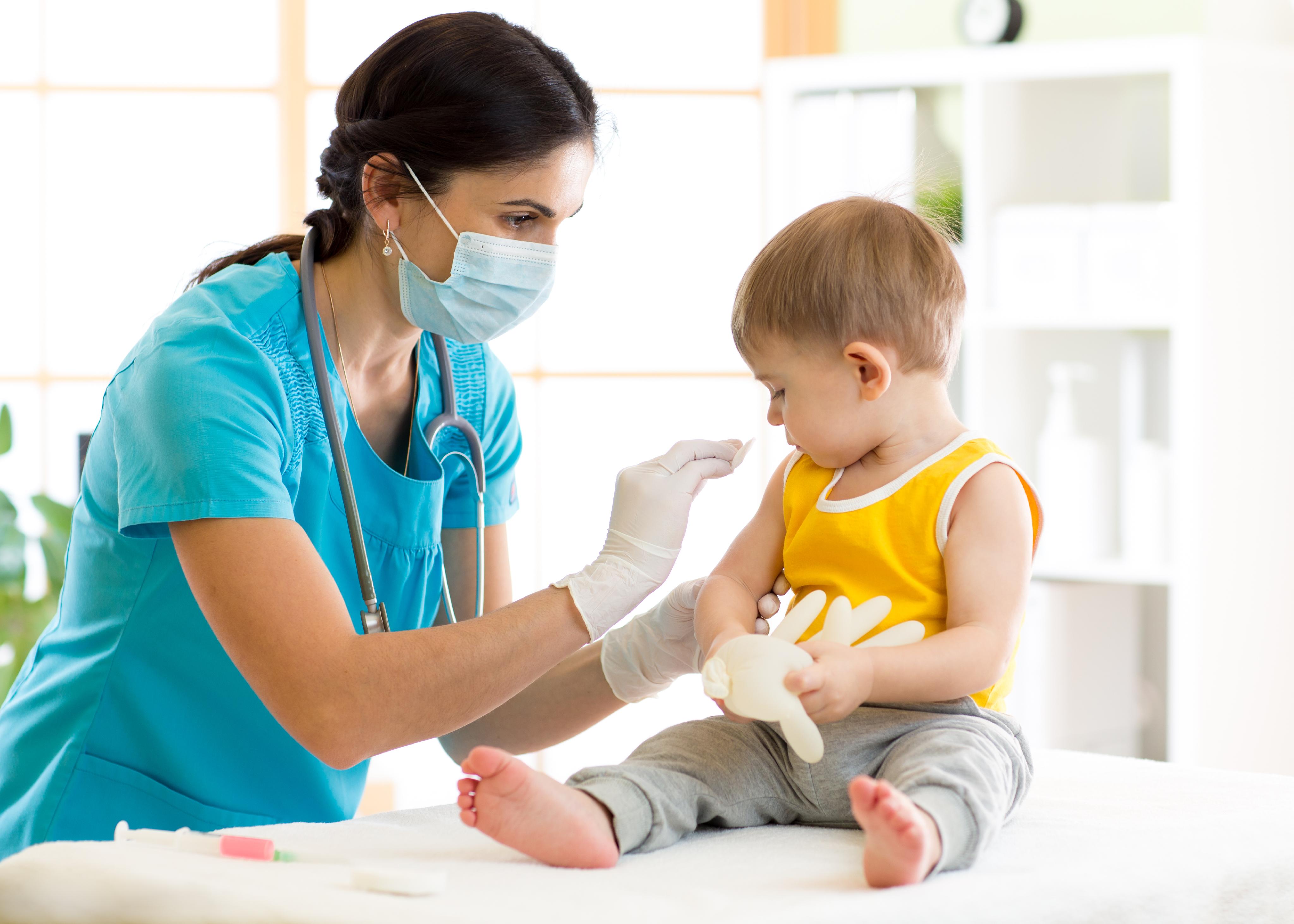
One of the most common questions pediatricians hear from parents is, “Does my child really need all these vaccines and booster doses?” The simple answer is yes. Vaccination is one of the most important investments we can make in a child’s health. The first few years of life are a period of rapid growth and development, but children are also vulnerable to several serious infections while their immune systems are still developing. Vaccines prepare the immune system to recognise and fight specific infections, helping prevent serious illness and complications. Vaccination has played a major role in reducing illness and deaths caused by vaccine-preventable diseases.
Why Should Parents Take Vaccination Seriously?
Although vaccination has helped control many infectious diseases, these infections can still occur. Timely vaccination protects individual children and helps reduce the spread of infections within the community through herd immunity.
This is particularly important for babies who are too young to have completed their vaccination schedule and for people who cannot receive certain vaccines because of medical reasons.
In India, the Government provides vaccines through the Universal Immunization Programme (UIP), based on the National Immunization Schedule. The Indian Academy of Pediatrics (IAP) also provides additional immunization recommendations according to a child’s age, individual risk factors and current medical guidance. Parents should discuss both schedules with their pediatrician to understand which vaccines are appropriate for their child.
Why Do Pediatricians Recommend Additional Vaccines?
Parents sometimes wonder why private hospitals and pediatricians recommend vaccines that are not included in the government immunization programme. These recommendations may reflect updated scientific evidence, changing disease patterns and guidance from professional organisations such as the IAP.
It does not necessarily mean that the government schedule is inadequate. The two approaches serve different purposes.
The government immunization programme is designed to protect the population on a large scale. Decisions about including vaccines in the national programme consider several factors, including the burden of disease, vaccine safety and effectiveness, affordability, cost-effectiveness, availability of supplies and the ability of the healthcare system to deliver vaccines effectively.
The IAP provides additional immunization guidance based on clinical evidence and the needs of individual children. Your pediatrician can help you understand which vaccines are recommended for your child and why.
Why Does My Child Need Booster Doses?
Another common question parents ask is, “If my child has already received the vaccine, why is another dose necessary?”
Some vaccines require multiple doses to develop adequate immunity, while booster doses help strengthen or maintain protection over time. The first doses begin building immunity, and subsequent doses help ensure a more reliable and longer-lasting immune response.
The number of doses and the timing of boosters depend on the specific vaccine, the child's age, previous vaccination history and the recommended immunization schedule.
Skipping booster doses may leave a child less protected than expected. Therefore, parents should maintain their child's vaccination record and follow the schedule advised by their pediatrician.
What Should Parents Do If Their Child Misses a Vaccine?
Missing a vaccine dose can happen because of illness, travel, relocation, a busy schedule or simply forgetting the appointment. However, parents should not panic.
A missed vaccine does not mean the opportunity for protection is lost.
For most routine childhood vaccines, the entire series does not need to be restarted if a dose is delayed. The pediatrician will review the child's vaccination record and recommend an appropriate catch-up schedule based on age, previous doses and the vaccines due.
Parents should contact their pediatrician as soon as they realise a dose has been missed rather than waiting for the next routine appointment.
Is It Safe to Give Multiple Vaccines During the Same Visit?
Yes. Giving multiple recommended vaccines during the same visit is generally safe when they are administered according to the recommended schedule.
Combination vaccines protect against multiple diseases in a single injection, reducing the number of injections a child may need. Administering several vaccines during one visit can also reduce repeat hospital visits, save time and make it easier for parents to complete the vaccination schedule.
A child's immune system can respond to multiple vaccines at the same visit. The recommended combinations and timing are carefully established to provide effective protection while maintaining safety.
Parents should follow their pediatrician's advice about which vaccines can be administered together.
Do Children Need Vaccines Against Diseases That Seem Uncommon?
Yes. Some vaccine-preventable diseases may be uncommon in a community because vaccination has successfully reduced their spread. However, these diseases can return when vaccination coverage falls or when infections are introduced from other areas.
Vaccination helps maintain community protection and reduces the risk of outbreaks. It also helps protect vulnerable individuals, including babies who are not yet fully vaccinated and people who cannot receive certain vaccines for medical reasons.
Continuing vaccination according to the recommended schedule is important even when a particular disease is rarely seen.
Should Vaccination Be Postponed If a Child Has a Cold or Fever?
Not every minor illness requires vaccination to be postponed. A child with a mild cold or another minor illness may still be able to receive the scheduled vaccine.
However, the decision depends on the child's overall condition, the severity of the illness and the vaccine due. If the child is significantly unwell, the pediatrician may recommend delaying vaccination until recovery.
Parents should inform the doctor about the child's symptoms rather than automatically cancelling the appointment. This helps avoid unnecessary delays in protection.
Which Vaccines Should Parents Consider Before Travel?
Indian families frequently travel within the country and internationally. Depending on the destination, the child's age, vaccination history, duration of travel and current disease risks, additional vaccines may be recommended.
Vaccines such as typhoid, yellow fever and Japanese encephalitis may be relevant for certain destinations and circumstances. Rabies vaccination may also be recommended for specific travel-related risks or exposure situations.
Parents planning a trip should consult their pediatrician well in advance. Some vaccines require multiple doses or need to be administered before departure. Early planning helps ensure that children receive appropriate protection without last-minute confusion.
Why Is Adolescent Vaccination Important?
Vaccination does not end when a child starts school. Some vaccines require booster doses later in childhood or adolescence, while other vaccines may be recommended for the first time during these years.
For example, HPV vaccination helps protect against human papillomavirus infections that can cause certain cancers later in life. Tdap vaccination protects against tetanus, diphtheria and pertussis, with recommendations depending on age and the applicable immunization schedule.
Parents should review their child's vaccination history during adolescence and discuss any due or missed vaccines with their pediatrician.
Should Adults and Older People Review Their Vaccination Status?
Vaccination remains important beyond childhood. Adults may need booster doses or additional vaccines depending on their age, medical conditions, occupation, travel plans and previous vaccination history.
Vaccines against influenza, hepatitis A, hepatitis B, tetanus and other infections may be appropriate in specific circumstances. HPV vaccination may also be considered for eligible individuals according to age and current recommendations.
Older adults may benefit from influenza and pneumococcal vaccination, while shingles vaccination may be appropriate for eligible individuals. The need for each vaccine depends on individual risk factors, medical history and applicable guidelines.
Regularly reviewing vaccination records with a healthcare professional helps ensure that recommended protection is not overlooked.
How Can Parents Keep Their Child's Vaccination Schedule on Track?
A few simple habits can help parents manage their child's immunization journey:
Follow the schedule: Aim to give vaccines at the recommended time rather than waiting for an outbreak.
Keep the vaccination card safe: Maintain an updated record of every vaccine and dose received.
Do not skip boosters: Booster doses are important for maintaining protection against certain infections.
Act promptly after a missed dose: Consult your pediatrician about catch-up vaccination instead of restarting the schedule independently.
Ask questions: Discuss concerns about side effects, additional vaccines, timing and vaccine safety with your pediatrician.
Review the schedule regularly: Check whether your child needs any new or catch-up vaccines as they grow.
These steps can make vaccination easier to manage and help ensure that children receive the protection they need at the right time.
Conclusion
A child's immunization journey begins at birth, but protection builds over time. Timely vaccinations and appropriate booster doses are essential layers of protection against serious infections. Although parents may have questions about additional vaccines, missed doses or the need for repeated doses, understanding the purpose of each vaccine can help them make informed decisions.
Keeping vaccination records updated, following the recommended schedule and consulting a pediatrician when a dose is missed can help prevent avoidable gaps in protection. Vaccination is not only an investment in an individual child's health but also an important step towards protecting the wider community.
Why Choose Ankura?
Ankura Hospitals provides specialised pediatric care focused on supporting children's health and development at every stage. The pediatric team helps parents understand childhood immunization, recommended vaccine schedules, booster doses and catch-up vaccination when doses are missed. By offering guidance based on a child's age, medical history and individual needs, Ankura aims to support parents in making informed decisions and maintaining their child's preventive healthcare.