
Air pollution is more than an environmental concern. It is a significant health risk, particularly for children whose lungs are still developing. From traffic fumes and construction dust to smoke and fine airborne particles, everyday exposure to polluted air can affect children’s respiratory health in both the short and long term.
The Air Quality Index (AQI) helps parents understand how polluted the air is and take appropriate precautions. But what does a high AQI mean for your child’s lungs, and when should you be concerned?
What Is AQI and Why Does It Matter?
The AQI is a measure that communicates the quality of outdoor air and its potential health effects. In India, the AQI is classified into six categories, ranging from Good (0–50) to Severe (401–500). A higher AQI generally indicates greater health risks from air pollution.
One of the biggest concerns is particulate matter, or small particles in the air. These microscopic particles can penetrate deep into the lungs and trigger inflammation. Other pollutants, including nitrogen dioxide, ground-level ozone and sulphur dioxide, can also irritate the respiratory tract and worsen existing lung conditions.
Why Are Children More Vulnerable to Air Pollution?
Children are not simply smaller versions of adults when it comes to respiratory health. Their lungs and airways are still developing, making them more susceptible to environmental pollutants. They also breathe faster than adults relative to their body size, potentially increasing their exposure to harmful substances. Children often spend considerable time playing outdoors, running and engaging in physical activities. During exercise, they breathe more rapidly and deeply, which may increase the amount of pollutants entering their lungs.
These factors make children particularly vulnerable to the effects of poor air quality, especially those below five years of age and children with pre-existing respiratory conditions.
How Does Poor AQI Affect Children’s Lungs?
1. Triggers Coughing and Airway Irritation
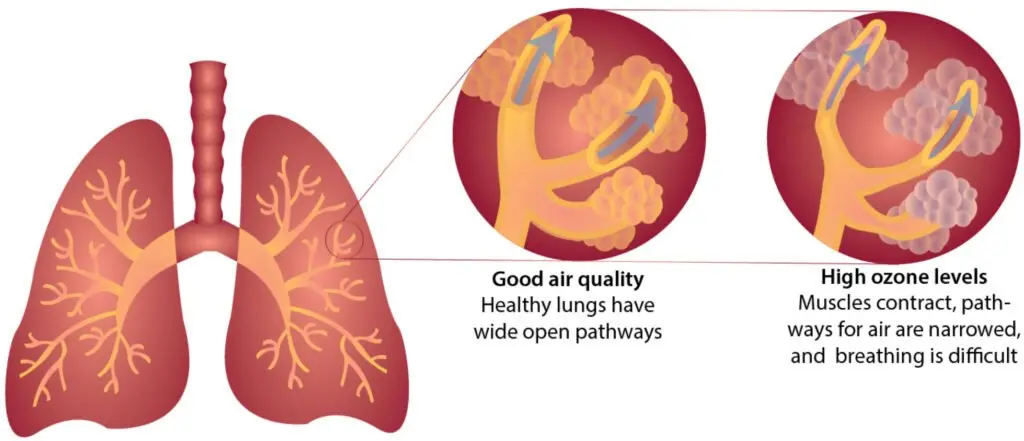
Exposure to polluted air can irritate the lining of the nose, throat and airways. Children may develop a persistent cough, throat irritation, wheezing or breathlessness. Some may also experience nasal congestion and eye irritation. These symptoms may become more noticeable on days when pollution levels rise or after prolonged outdoor activity.
2. Worsens Asthma and Allergies
Air pollution can trigger asthma symptoms in susceptible children and aggravate existing respiratory conditions. Exposure may lead to coughing, wheezing, chest tightness and difficulty breathing. Children with asthma may experience more frequent flare-ups and need closer monitoring during periods of poor air quality. Pollution can also aggravate airway sensitivity in children prone to respiratory allergies.
3. Increases the Risk of Respiratory Infections
Pollutants can affect the respiratory tract’s natural protective mechanisms. Exposure to polluted air has been associated with an increased risk of respiratory infections, including pneumonia, particularly among young children.
Repeated exposure may also contribute to persistent respiratory symptoms, making it important to address both outdoor and indoor air quality.
4. May Affect Long-Term Lung Development
Children’s lungs continue to grow and mature throughout childhood and adolescence. Research links prolonged exposure to air pollution with impaired lung function and reduced lung growth.
This means that the effects may extend beyond temporary coughing or breathing discomfort. Sustained exposure to high pollutants during critical developmental years may influence respiratory health later in life.
What Can Parents Do When AQI Levels Are High?
Although parents cannot control outdoor pollution, a few practical measures can help reduce their child’s exposure.
Check the AQI daily: Monitor the air quality in your locality before planning outdoor activities, school commutes or exercise.
Modify outdoor activities: When AQI levels are poor, reduce prolonged or strenuous outdoor exercise. During very poor or severe conditions, avoid outdoor physical activity and follow local health advisories.
Improve indoor air quality: Keep children away from cigarette smoke, mosquito coils, incense smoke and other sources of indoor pollution. Avoid activities that generate excessive dust or fumes.
Consider indoor air filtration: A correctly sized HEPA air purifier may help reduce airborne particles in enclosed spaces. Keep doors and windows closed when outdoor pollution is high, where practical, while ensuring adequate ventilation when outdoor air quality improves.
Use masks for older children: A well-fitting, age-appropriate mask may reduce exposure for older children who can wear it safely and consistently. Masks are not suitable for children under five years, and a mask should never be used if it interferes with breathing.
Follow asthma treatment plans: Children with asthma should continue prescribed medication and follow their doctor’s advice. Do not change or stop medication without medical guidance.
When Should You Consult a Paediatric Pulmonologist?
Consult a paediatric pulmonologist if your child has a persistent cough, recurrent wheezing, repeated episodes of breathlessness or asthma symptoms that are becoming more frequent. Early evaluation can help identify the cause and guide appropriate treatment. Seek urgent medical attention if your child develops severe breathing difficulty, bluish lips, marked chest retractions, difficulty speaking or unusual drowsiness.
Protecting Children’s Lungs Starts with Awareness
Air pollution is not always visible, and its effects may not be immediately apparent. However, repeated exposure to polluted air can affect children’s respiratory health during crucial years of growth. Understanding AQI, reducing exposure on highly polluted days and recognising early warning signs can help parents make informed decisions. While individual precautions cannot eliminate air pollution, they can help protect children’s developing lungs and support healthier breathing.
Pediatric Pulmonology at Ankura
Children’s respiratory health requires specialised attention at every stage of growth. At Ankura Hospital for Women and Children, the dedicated Department of Paediatric Pulmonology focuses on the evaluation and management of respiratory conditions in infants, children and adolescents.
The department brings together a team of experienced paediatric pulmonology and allergy specialists to address a range of respiratory and allergic conditions. Care is tailored to each child’s age, symptoms, medical history and individual needs, with an emphasis on clear communication, family involvement and continuity of care.