
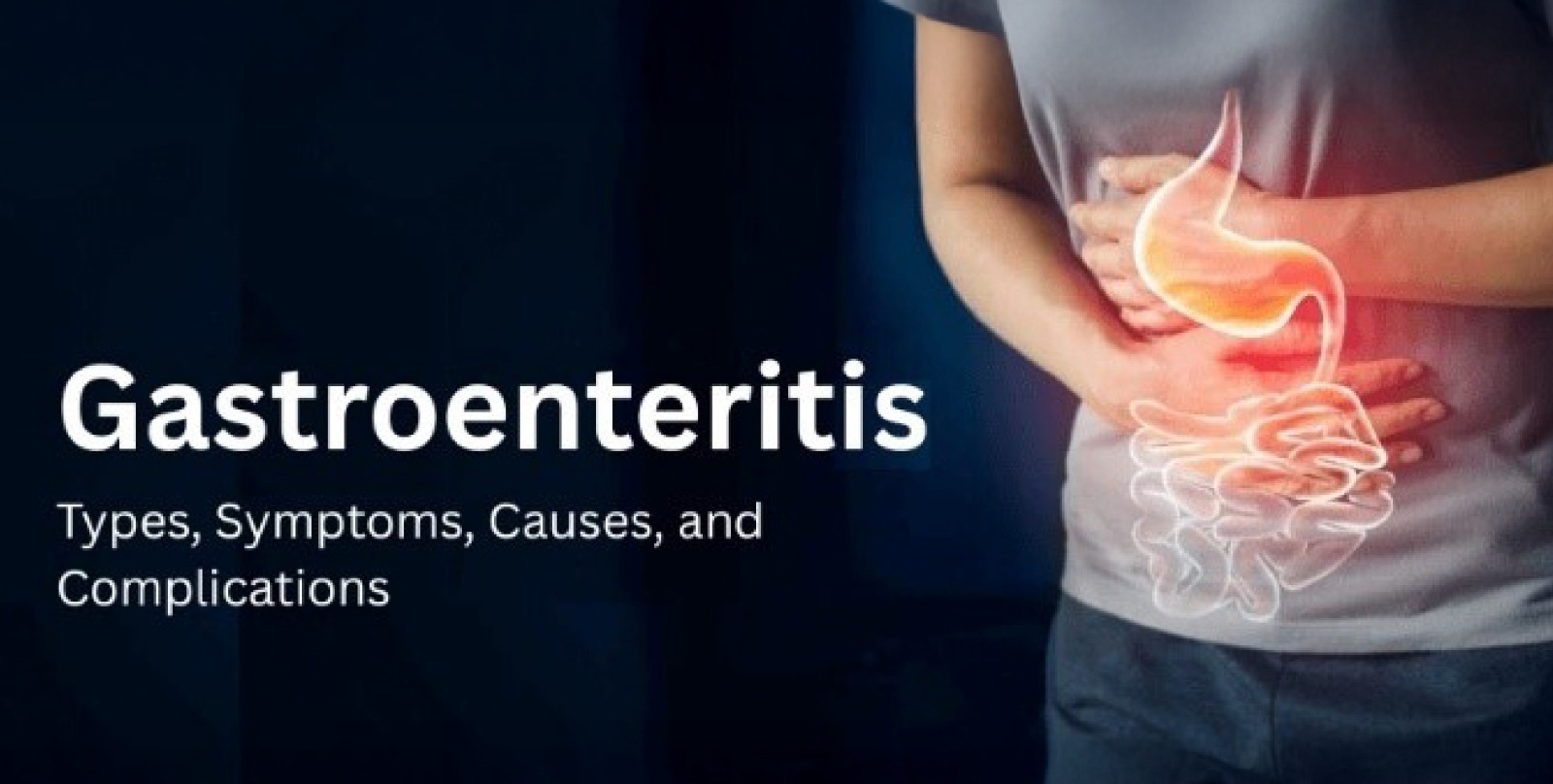
Viral gastroenteritis, often known as stomach flu, is an infection of the digestive tract caused by a virus. It results in gastrointestinal symptoms such as diarrhea and vomiting. Though usually transient, it has the potential to spread quickly.
What is Gastroenteritis (Stomach Flu)?
Often referred to as the stomach flu, gastroenteritis is a common condition that causes diarrhea, cramping in the abdomen, nausea, and vomiting. It isn’t significant and typically lasts a few days. The majority of children and teenagers recover at home with rest and lots of fluids.
What Causes Stomach Flu in children?
When bacteria, viruses, or parasites enter the stomach or intestines, they can cause inflammation, which is the cause of stomach flu.
The most frequent cause of stomach flu in children and teenagers is viruses. The stomach flu is caused by a number of viruses, including rotavirus and norovirus. Cases brought on by that virus can be avoided using the rotavirus vaccine.
What Are the Signs & Symptoms of Stomach Flu in children?
What is Gastroenteritis (Stomach Flu)?
Often referred to as the stomach flu, gastroenteritis is a common condition that causes diarrhea, cramping in the abdomen, nausea, and vomiting. It isn’t significant and typically lasts a few days. The majority of children and teenagers recover at home with rest and lots of fluids.
What Causes Stomach Flu in children?
When bacteria, viruses, or parasites enter the stomach or intestines, they can cause inflammation, which is the cause of stomach flu.
The most frequent cause of stomach flu in children and teenagers is viruses. The stomach flu is caused by a number of viruses, including rotavirus and norovirus. Cases brought on by that virus can be avoided using the rotavirus vaccine.
What Are the Signs & Symptoms of Stomach Flu in children?
Diarrhea and vomiting are the most typical symptoms of the stomach flu. Children and teenagers lose a lot of fluid through their stool or vomit when they experience diarrhea or vomiting. Dehydration (not having enough water in the body) may result from this. The body may struggle to function normally if such occurs.
Additional symptoms of stomach flu in children could include fever and nausea.
Cramping in the abdomen
Chills, headaches, and muscle aches
Stomach flu can look very similar to food poisoning, which happens when food or drinks are contaminated with germs. If several people ate the same food and became sick at about the same time, it is more likely to be food poisoning.
Additional symptoms of stomach flu in children could include fever and nausea.
Cramping in the abdomen
Chills, headaches, and muscle aches
Stomach flu can look very similar to food poisoning, which happens when food or drinks are contaminated with germs. If several people ate the same food and became sick at about the same time, it is more likely to be food poisoning.
Is Stomach Flu Contagious?
Stomach flu germs spread easily from person to person. Infection can happen by touching contaminated surfaces and then handling food or touching the mouth, sharing food or drinks with someone who is sick, or living in close contact with an infected person—even if that person doesn’t show symptoms.
Stomach flu germs spread easily from person to person. Infection can happen by touching contaminated surfaces and then handling food or touching the mouth, sharing food or drinks with someone who is sick, or living in close contact with an infected person—even if that person doesn’t show symptoms.
Children and teens are most contagious while they have symptoms, but they can still spread the illness for days or even weeks after recovery, depending on the germ that caused it.
How Is Stomach Flu Diagnosed?
Doctors can often tell if a child has stomach flu by looking at their symptoms. Tests are usually not required. To screen for dehydration and determine the cause of symptoms, doctors may prescribe a stool (poop), urine, or blood test if children are very sick or have blood or mucus in their feces.
How Is Stomach Flu in Children Treated?
There’s no specific medicine to cure viral stomach flu, and most children and teens can be cared for at home. Make sure they stay hydrated by offering plenty of fluids. In cases of more severe dehydration, treatment in the emergency room or hospital may be needed.
The treatment for mild dehydration is oral rehydration. In most cases, this entails administering an WHO oral rehydration solution.
Home remedies for the stomach flu in children
There are a number of natural ways to help your child feel better when they have the stomach flu.
There are a number of natural ways to help your child feel better when they have the stomach flu.
Allow the stomach to settle. Give small frequent sips of liquid and solid.
Wait 15 to 20 minutes before giving your infant any liquids if they are vomiting up. If your infant wants to eat, try nursing them. Your infant may benefit from drinking milk to stay hydrated; it’s acceptable if they immediately throw up some or all of it.
Water and clear drinks like coconut water should be given in little amounts to toddlers and older children.
To make things easier on your child’s stomach, try serving them light, bland foods. Try rice, bananas, bread, or crackers. However, if your youngster refuses to eat, don’t force them to.
Make sure that your child gets adequate rest. Get your infant some new toys to keep them engaged.
To make things easier on your child’s stomach, try serving them light, bland foods. Try rice, bananas, bread, or crackers. However, if your youngster refuses to eat, don’t force them to.
Make sure that your child gets adequate rest. Get your infant some new toys to keep them engaged.
When Should I Call the Doctor?
Call the doctor if your child:
If your child is unable to drink for several hours or is urinating less frequently (for babies, no more than 4–6 hours, and for older children, no more than 6–8 hours)
Exhibits symptoms of dehydration, such as crying with little to no tears, having dry lips or mouth, feeling lightheaded or dizzy, or behaving extremely drowsy or less attentive.
Has a high temperature, blood in their feces or vomit.
Has a high temperature, blood in their feces or vomit.
Vomits for more than 24 hours or the diarrhea doesn’t get better after several days.
Why Choose Ankura for Pediatric Gastroenterology Care?
We at Ankura Hospital are aware of how concerning gastrointestinal issues in kids can be. Our pediatric gastroenterology team offers state-of-the-art diagnostic and treatment facilities along with compassionate, kid-friendly care. We prioritize early detection, efficient treatment, and individualized care plans for everything from basic conditions like the stomach flu to complicated gastrointestinal problems. Ankura guarantees your child receives the highest level of care in a safe, pleasant setting with a holistic approach that blends medical knowledge, cutting-edge technology, and family-supporting counseling.